
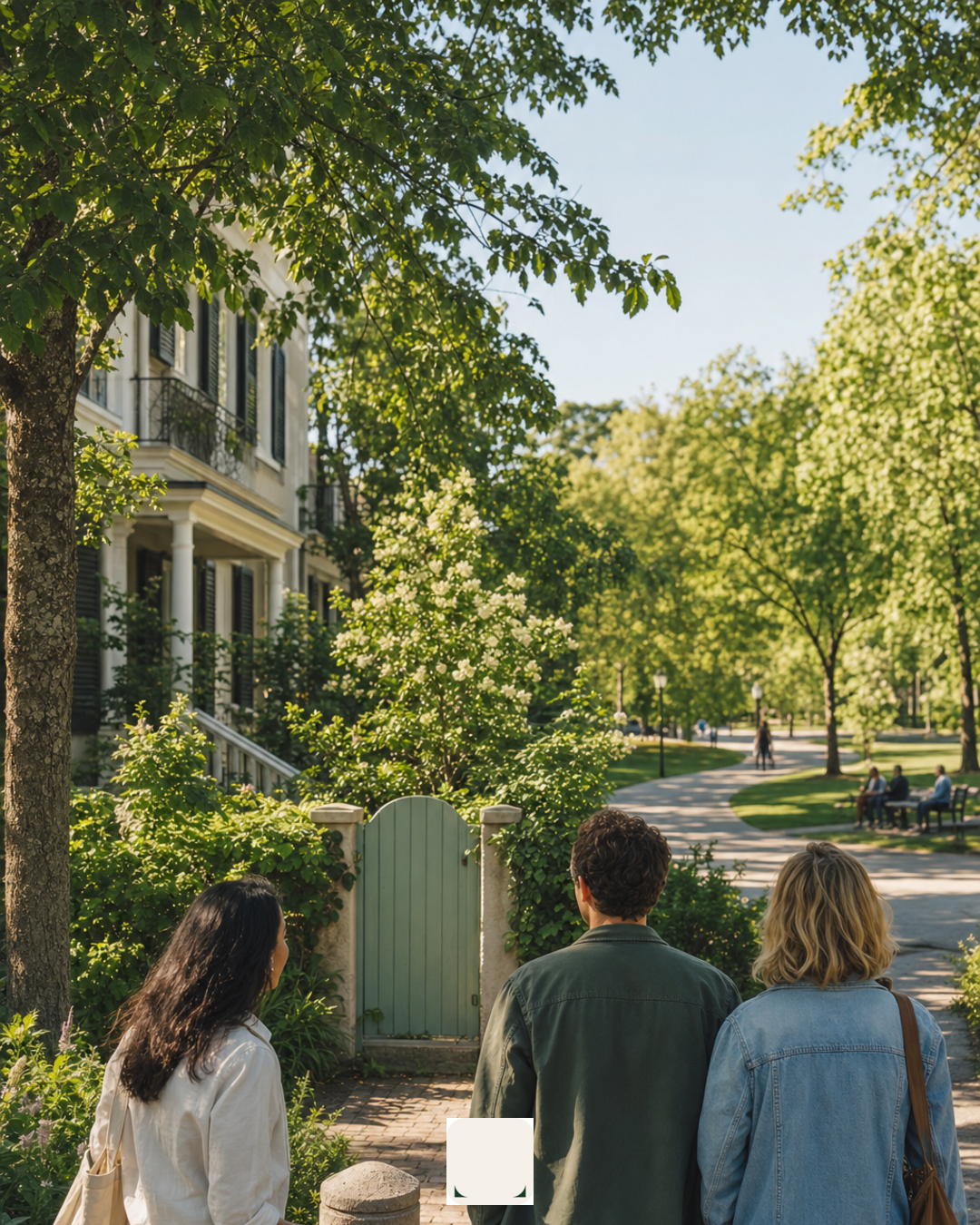
Start with a reason to look around
A Thanksgiving scavenger hunt works best when it has a small story behind it. ‘Find five objects’ is a task list. ‘Collect the clues that tell this family’s Thanksgiving story’ gives people a reason to notice the table, the kitchen, old photos, or the neighborhood outside.
The role does not need to be elaborate. Players can be memory keepers, dinner detectives, or a small team gathering the pieces of one final prompt.
Build three to five clues, not fifteen
Choose only a few moments that already belong to the day: a recipe card, a decoration, a family photo, the place where guests arrive, or a view from outside. Each clue should ask one thing: notice, ask, compare, or remember.
Short is not a compromise. It lets people join late, pause for dinner, help in the kitchen, or opt out without feeling like they broke the event.
- A clue about a family recipe and who first made it.
- A detail in the room that has been here longer than the newest guest.
- A small outdoor observation that changes with the season.
- A prompt to ask someone for a Thanksgiving memory.
Make the first action obvious
Put the first clue where people naturally gather. Explain what to do in one sentence. If children are playing, make sure an adult can help without needing a second set of instructions. If someone does not use a phone or cannot move through every space, give them an equivalent clue or a partner role.
A family activity should make room for the people who are actually there, not ask them to become a standardized audience for ten minutes.
Reward attention instead of speed
There is no prize worth making a holiday gathering feel like a timed obstacle course. Let the reward be a small reveal, a shared photo, a story someone has not heard before, or the final question at the table.
If you keep score at all, make it collaborative: the group unlocks the ending by gathering enough clues together.
End with a question worth carrying into dinner
The last clue should connect the earlier stops. Try: ‘Which part of today do you want to remember next year?’ or ‘What is one thing this house, street, or family has taught you?’ The point is not forced sentiment. It is giving the route a reason to matter after it ends.
For organizers who want to test a larger clue-led experience later, Pathventure can support a small pilot route. Local hosts remain responsible for permissions, accessibility, safety, and what makes sense for their own people and place.